Rising Temperatures in the Columbia Basin Are Taking a Toll on Sockeye Salmon—but Advocates Are Fighting for Cold Water
The Columbia Gorge will hit the low 90s this month. Right now, the river through the Gorge measures about 67°F—one degree below the threshold at which salmon start to die.
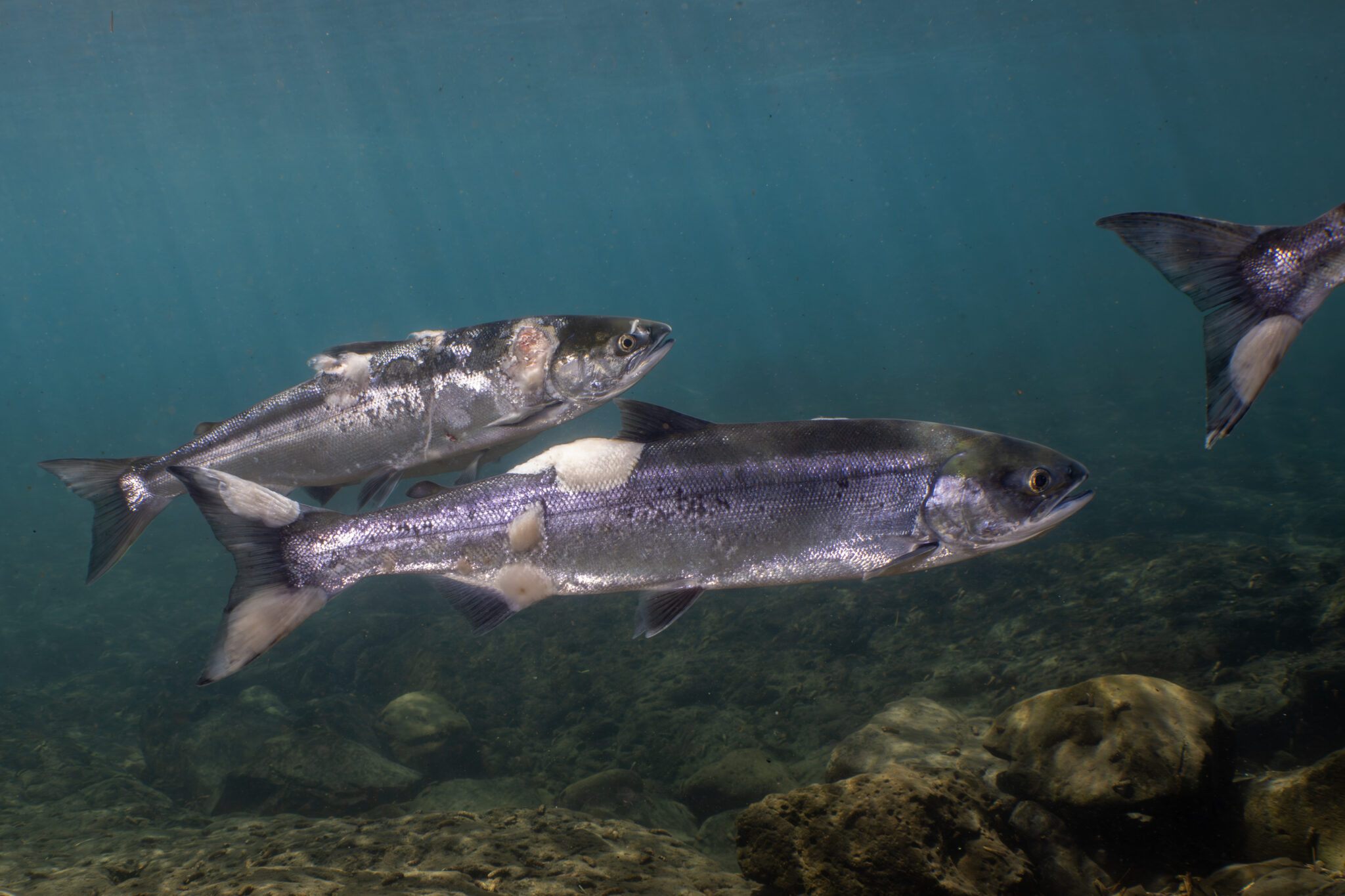
Here’s what that looks like: When the river hit 71°F in 2021, Wild Fish Conservancy staff member Conrad Gowell took the above photograph. The white patches of fungus and open sores are what heat does to a sockeye when the water climbs above 68°F.
When water temperatures rise, fish pay the price. This year, Washington canceled the upper Columbia sockeye season, one of the worst returns on record and about a third of the ten‑year average. The Snake River’s sockeye, which are endangered, came back in the low hundreds.
Heat is the underlying problem, but it’s a problem that can be fixed. When cold-water refuges are protected and the forces driving river temperatures higher are addressed, runs can recover. These fish know how to get home—we just have to keep the water cold enough so they can.
In 2025, Columbia Riverkeeper‘s advocacy led the federal government to change dam operations to cool the Lower Snake River in an attempt to protect endangered sockeye. Read their report, Surviving 2025, to learn what those changes meant for water temperature and salmon survival, and how the fight for cold water is beginning to show results.