
Contacts:
Emma Helverson, Wild Fish Conservancy, emma@wildfishconservancy.org, (484) 788-1174
Mark Smith, Owner, Eco Park Resort, ecoparkman@gmail.com, 360-749-4050
Rob Kirchner, Staff Attorney, Crag Law Center, rob@crag.org, 503-902-1793
For Immediate Release
July 14, 2026
PDF Version
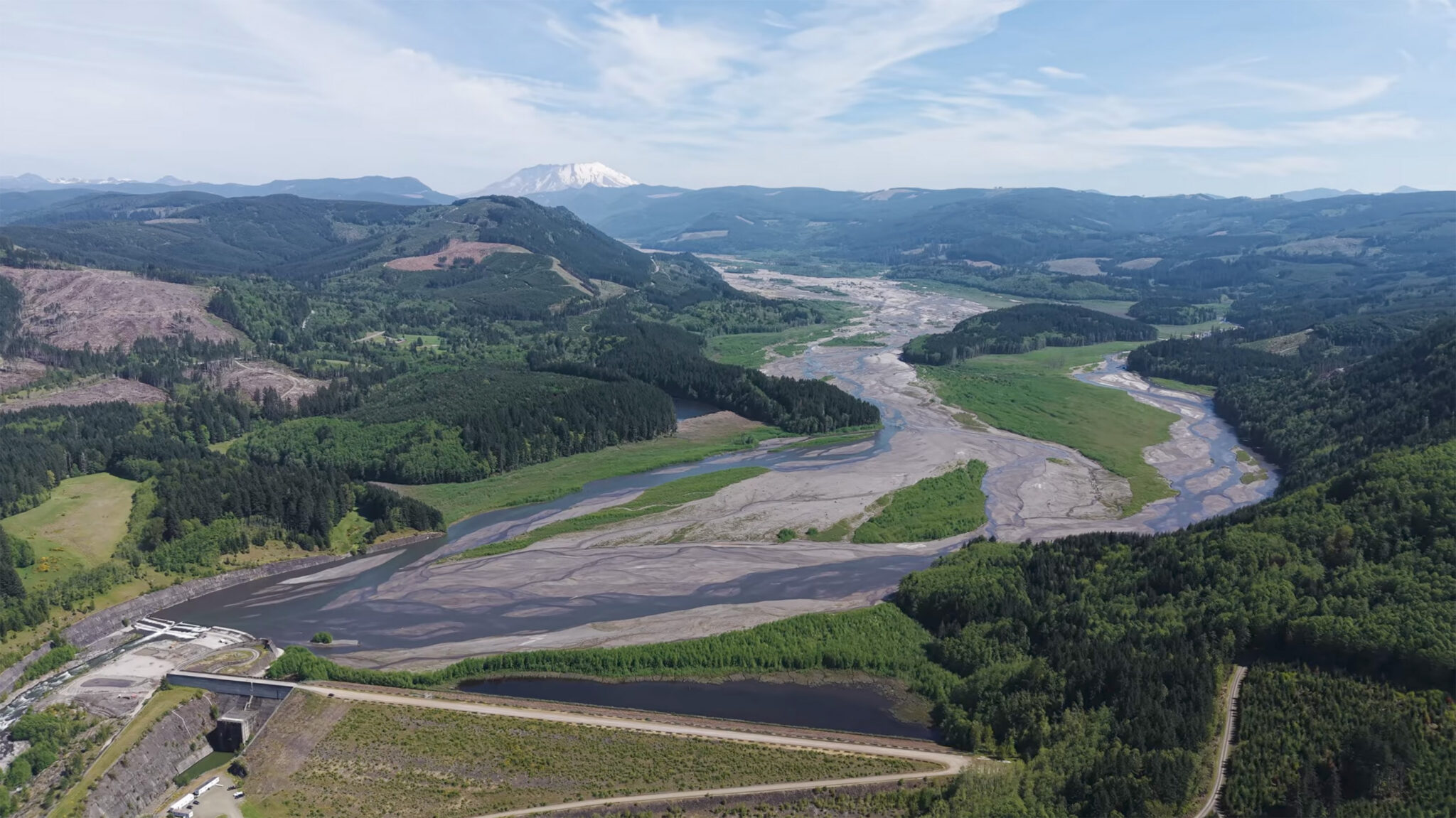
TACOMA, Washington—Today, Wild Fish Conservancy and local conservationist Mark Smith sued the National Marine Fisheries Service (NMFS) and U.S. Army Corps of Engineers (the Corps) to protect wild salmon and steelhead from a project to raise the height of the Mount St. Helens Sediment Retention Structure’s (SRS) spillway crest on the North Fork Toutle River. The lawsuit seeks to compel NMFS and the Corps to ensure that the project does not jeopardize Chinook salmon, coho salmon, and steelhead that are listed as threatened with extinction under the Endangered Species Act.
The North Fork Toutle River is a legendary salmon and steelhead river in the Columbia Basin. Historically, it supported a nationally famous recreational steelhead fishery and produced thousands of Chinook salmon and coho salmon. These populations survived the 1980 eruption of Mount St. Helens and the massive mudflows that ensued on the river. Today, these fish serve as a testament to the incredible resiliency of wild salmon and steelhead.
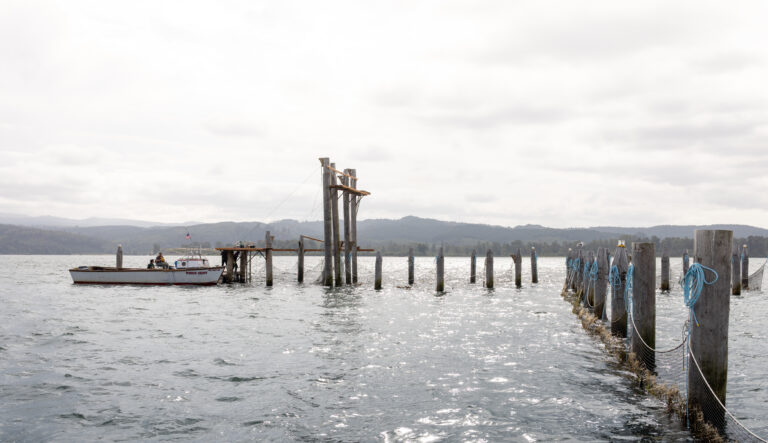
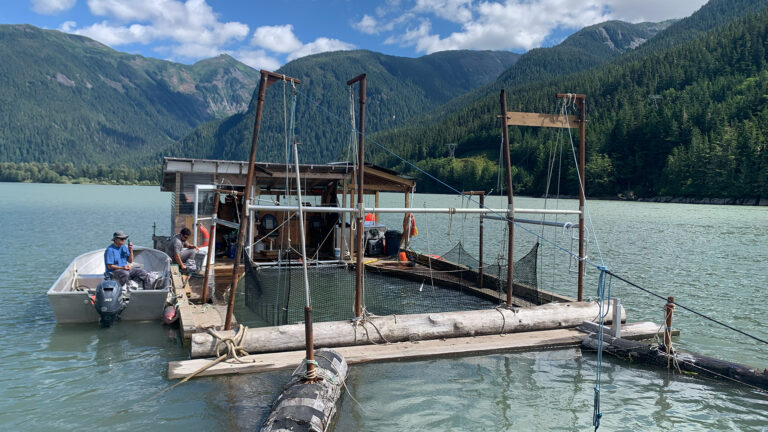
In 1989, the Corps built the SRS, which is a large earthen dam, to trap sediment runoff from the eruption of Mount St. Helens. Unfortunately, the SRS blocks wild fish from volitionally accessing up to 50 miles of their historic habitat. A Fish Collection Facility (FCF) was built downstream to trap and haul salmon and steelhead for release above the SRS. However, this trap and haul process has failed to protect and recover these fish, in part, because they need access to additional habitat that cannot be reached by trap and haul. Also, the river’s imperiled Chinook salmon are not trapped and hauled above the SRS even though NMFS states that such passage is key to their recovery.
The lawsuit alleges that the Corps is pushing forward with a massive expansion of the dam while relying on a deeply flawed, arbitrary, and capricious 2022 Biological Opinion issued by NMFS (NOAA Fisheries). The lawsuit also alleges that the Corps has failed to reinitiate consultation of the Biological Opinion based on releases of Chinook salmon above the SRS, which are part of the Washington Department of Fish and Wildlife’s ongoing effort to protect and recover these fish.
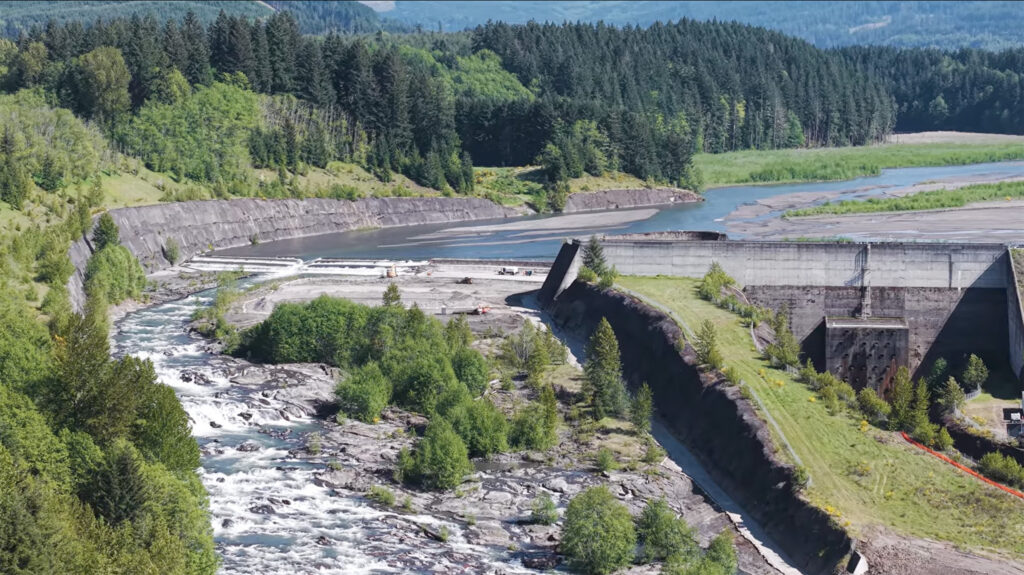
“Federal agencies cannot continue to engineer our rivers into extinction while ignoring the law and the best available science,” said Emma Helverson, Executive Director of Wild Fish Conservancy. “The Corps is moving forward with a massive concrete expansion that will trap critical habitat-building materials for decades and kill juvenile fish, all while relying on speculative promises to improve the fish collection facility, without any accountability for ensuring that these measures actually improve adult fish passage or mitigate the project’s harm to juvenile fish. We are taking this action to ensure our wild salmon and steelhead are not pushed past the point of no return.”
Represented by the Crag Law Center, the plaintiffs assert that the Corps’ reliance on the 2022 Biological Opinion violates its substantive obligations under the Endangered Species Act to ensure its actions do not jeopardize Lower Columbia River Chinook salmon, coho salmon, and steelhead, or adversely modify their critical habitat.
“The long-term environmental damage we will sustain from this dam raise isn’t worth it. We’re looking at decades of harm for a short-term fix that buys us only three to five years of additional sediment storage.” said Mark Smith, Owner of Eco Park Resort. “That’s a $36 million band aid—and our wild fish, ecosystems, and communities will pay the price.” Future fish mitigation for the updates to the “Trap and Truck” facility is estimated at $78 million dollars.
A review of trap and truck operations throughout the northwest raises serious concerns about the continued use of the strategy. Collection numbers on the North Fork Toutle River have remained chronically low, averaging just 198 winter-run steelhead and 202 coho salmon per year from 1989 to 2018. After more than three decades of operation, this falls far short of what fish protection and recovery requires. The review is clear that volitional passage of Pacific salmon at barriers is preferred over passage that requires collection and transportation, yet trap-and-haul has persisted as a stopgap measure with little evidence to justify its continuation. Most damning, effects on population productivity and sustainability remain poorly understood, and long-term and systematic studies of trap-and-haul outcomes are rare—after 35 years on the Toutle, the absence of demonstrated recovery success makes a compelling case that resources would be better directed toward permanent, volitional passage solutions.
Providing effective fish passage that allows fish to expand into more of their historic spawning and rearing habitat is paramount to their survival and recovery as well as supporting the health of the Toutle Watershed. After 46 years, the science is clear and the time to act is now. Wild salmon, steelhead, and the ecosystems and communities that depend on the health of the North Fork Toutle River cannot afford to wait.
For more information on this legal action and to view the official court documents, please visit www.wildfishconservancy.org.
###
Crag is a nonprofit that provides free and low-cost legal services to people who are working on the ground to protect our environment, climate and communities through a unique model of legal aid for the environment.
Wild Fish Conservancy is a nonprofit conservation organization headquartered in Washington State. WFC is dedicated to the recovery and conservation of the Northwest’s wild-fish ecosystems. Through science, education, and advocacy, WFC promotes technically and socially responsible habitat, hatchery, and harvest management to better sustain the region’s wild fish heritage.