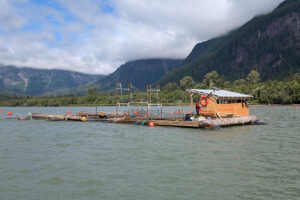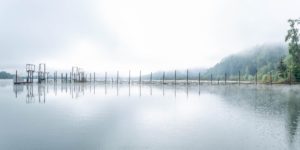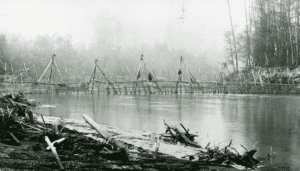

Protected: Advancing Selective Fishing: An Update on the Skeena River Floating Fish Trap Project
There is no excerpt because this is a protected post.

There is no excerpt because this is a protected post.

After conducting snorkel surveys for more than 25 years, Wild Fish Conservancy has learned a lot about steelhead populations’ status, trends, and the number of hatchery fish that stray into wild rivers.

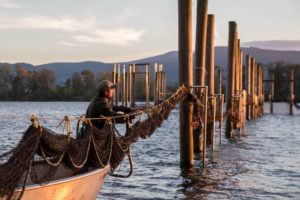
Earlier this year, Wild Fish Conservancy proudly announced the implementation of Washington’s State’s second commercial fish trap since 1934. The new trap located near Hunting Islands is part of the state’s historic Emerging Commercial Fishery—the first of its kind in nearly a century.

History continues to be made on the lower Columbia River this month with the first commercial fish traps since 1934 now operating at three sites in Washington and Oregon.

Nearly a century ago, fish traps were banned in Washington State due to poor management that led to overharvest and the decline of wild salmon populations. Now, in a historic moment, fish traps will return to the Columbia River for the first time since 1934—this time as a tool to advance the protection and recovery of the basin’s threatened wild salmon and steelhead.

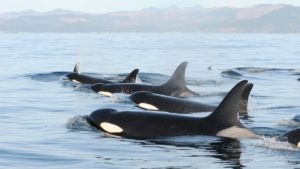
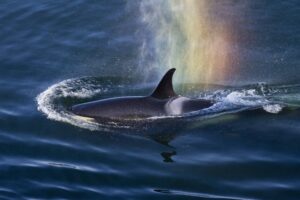
New research was published in the journal of Communications Earth & Environment sounds a grave warning for endangered Southern Resident killer whales and highlights the urgent conservation measures necessary to stem their pending extinction. While projecting rapid population collapse in roughly 40 years’ time from maintenance of the status-quo, the authors also shine light on the hopeful path forward to recovery.

Over the past few weeks, we’ve made incredible strides and progress on a variety of our science, education, and advocacy initiatives being covered in local and international news. With too frequent doom-inspiring news stories dominating the news, we’re excited to share some good news for wild salmon recovery!

Wild Fish Conservancy published a new study in Fisheries Research further confirming the critical role commercial fish traps can play in recovering wild salmon and steelhead, improving fisheries management, and providing new sustainable fishing opportunities for coastal fishing communities.

Through the wind, rain and the beautiful early fall days, Wild Fish Conservancy and commercial fishing partner Billie Delaney continue to operate the new experimental

A new publication co-authored by WFC’s Adrian Tuohy suggests that a return to historical Indigenous fishing practices and systems of salmon management may be key to revitalizing struggling Pacific Salmon fisheries across the North Pacific.

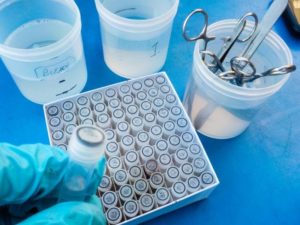
How is ISAv detected? There are 3 common tests (“assays”) for ISAv: The classic test is cell culture; salmon cells are grown in the laboratory

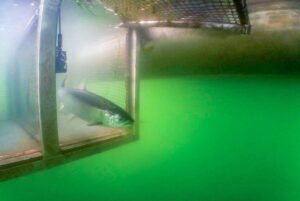
A groundbreaking new published paper by Wild Fish Conservancy demonstrated survival of salmon and steelhead released from an experimental fish trap on the Columbia River was far higher than rates for any previously tested commercial fishing gears on the Columbia River.

A paper by Wild Fish Conservancy’s Dr. Nick Gayeski proposing a forward-looking, sustainable management approach to global salmon fisheries was published in Fisheries journal.

In a newly published paper, scientists form WFC, Raincoast Conservation Foundation, and the University of Montana propose an alternative ‘place-based’ framework for certifying wild salmon that recognizes the ecological connection between wild salmon and the natal watersheds to which they are locally adapted.

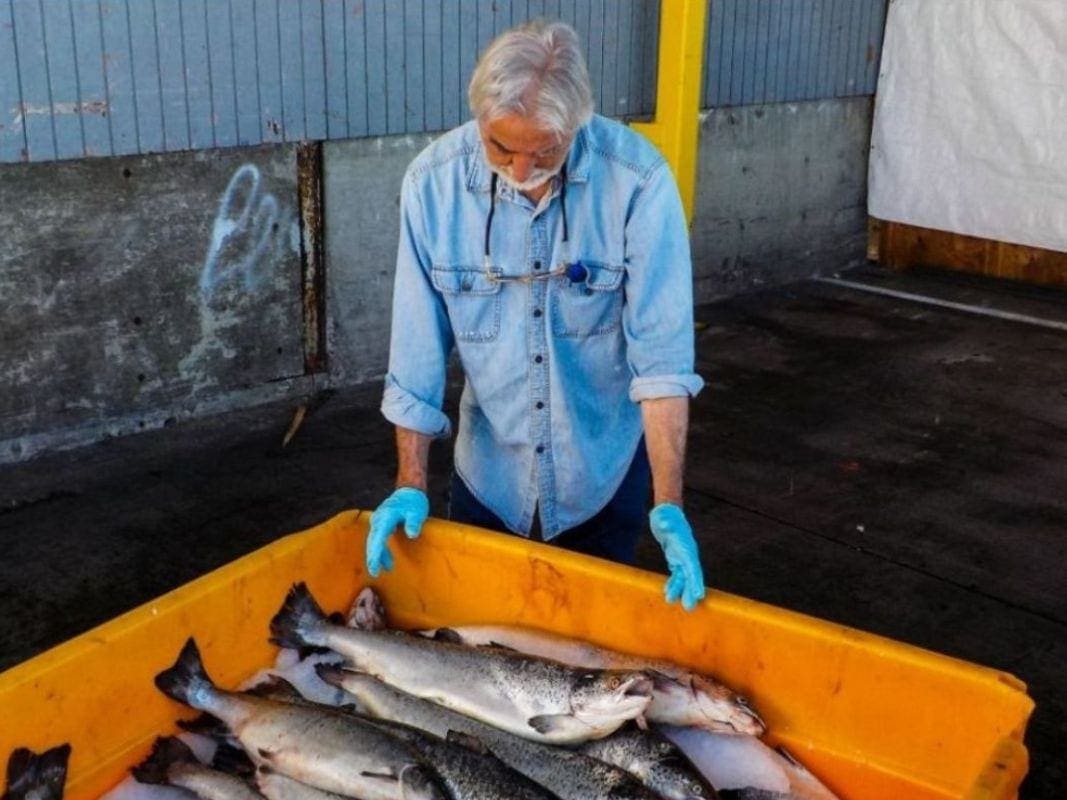
WFC restates concern and findings of an exotic virus found in escaped farmed Atlantic salmon in Puget Sound after WA Fish and Wildlife attempted to mischaracterized and downplay the virus they failed to detect.

ndependent lab results demonstrate that 100% of escaped Atlantic salmon tested were highly infected with Piscine Orthoreovirus (PRV), and that the strain of the virus is of Norwegian origin.