
By Jamie Glasgow and Conrad Gowell
“You can learn a lot about someone by walking a mile in their shoes.” Turns out, the same is true for steelhead. After walking, wading, and swimming—conducting snorkel surveys for over a quarter century—Wild Fish Conservancy (WFC) has learned a lot about steelhead populations’ status, trends, and the number of hatchery fish that stray into wild rivers.
Several times each year, WFC staff, our partners, and a few hardy volunteers squeeze into wetsuits and don dive masks to snorkel rivers where imperiled populations of Puget Sound summer steelhead return to spawn. The main attraction is the fish, of course—but the experience offers far more than the chance to come face-to-face with a ten-pound, dime-bright steelhead.

Figure 1: Snorkeling for steelhead in the North Fork Skykomish River. Photo by Peter Verhey.
Seeing the river from the fish’s perspective is transformational. To feel the cold, hear the silence, and watch the quiet drama unfold between fish, food, habitat, and current—these are the moments that stay with us. We leave the water with a few bruises and a much deeper understanding and appreciation for the lives of the fish we work so hard to protect.
We can’t help but wonder: if more natural resource managers put on a dive mask and immerse themselves in the rivers that their hatchery and harvest management decisions impact, might wild fish conservation finally become the imperative it ought to be?
During our surveys, we drift, swim, and scramble through miles of streams, counting Endangered Species Act (ESA)-listed adult summer steelhead and noting whether their adipose fin is present (wild) or absent (hatchery-origin). Every tenth of a mile, we record observations using GPS and field books, creating detailed data tied to specific stream reaches. These hard-earned records help track the population status and trends of summer steelhead and provide a critical yardstick for evaluating efforts to reduce hatchery-wild interactions—a serious and well-documented threat to wild fish recovery.

Figure 2: WFC Biologist Conrad Gowell during a snorkel survey. Photo by Russ Ricketts.
Wild Fish Conservancy’s snorkel surveys in the Tolt River (King County) and North Fork Skykomish River (Snohomish County) are made possible by a court-ordered consent decree following our legal action against the Washington Department of Fish and Wildlife (WDFW) for hatchery practices harming ESA-listed fish. As a result of that legal settlement, WFC and WDFW staff work side by side to collect the necessary data to track steelhead recovery efforts. After years of hatchery stray rates that were above scientifically recommended limits for steelhead, WDFW changed their hatchery practices, and in some watersheds they are now at or approaching thresholds that the National Oceanic and Atmospheric Administration (NOAA) has approved. To dive deeper into the results of these surveys and what they mean for steelhead recovery, explore our 2024 Annual Report of Summer Steelhead Snorkel Surveys on the North Fork Skykomish and the North and South Fork Tolt Rivers.
For just a few days each year, we leave behind the noise and complexity of the surface world and enter a realm that is cold, quiet, and endlessly moving. In those moments, we don’t just study the fish—we see the world as they do. And what we see strengthens our resolve to fight for their survival, contributing directly to informed conservation strategies and advocacy.
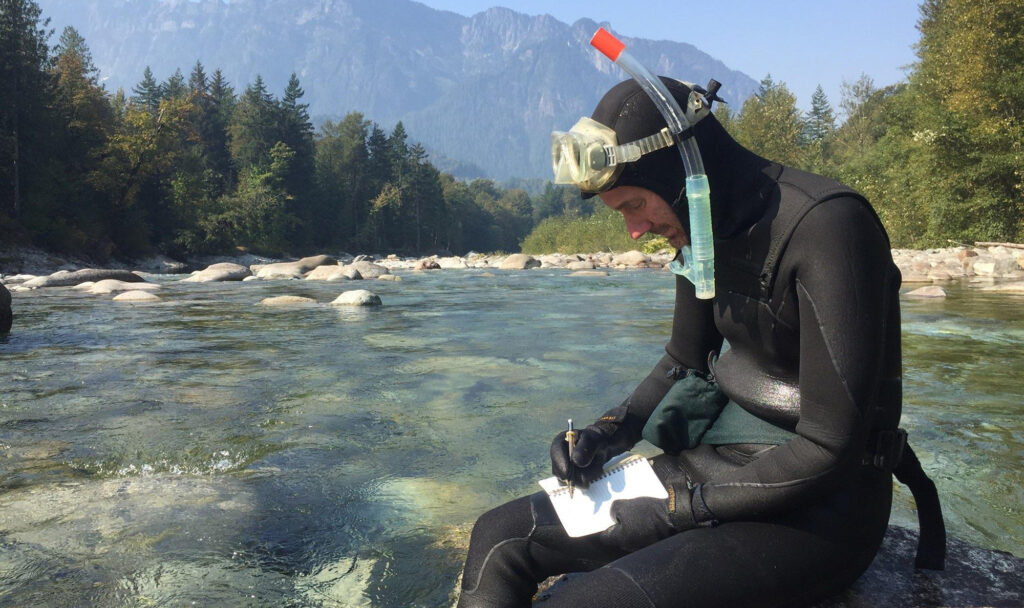
Figure 3: WFC Director of Science and Research, Jamie Glasgow, takes field notes during a snorkel survey. Photo by Conrad Gowell.
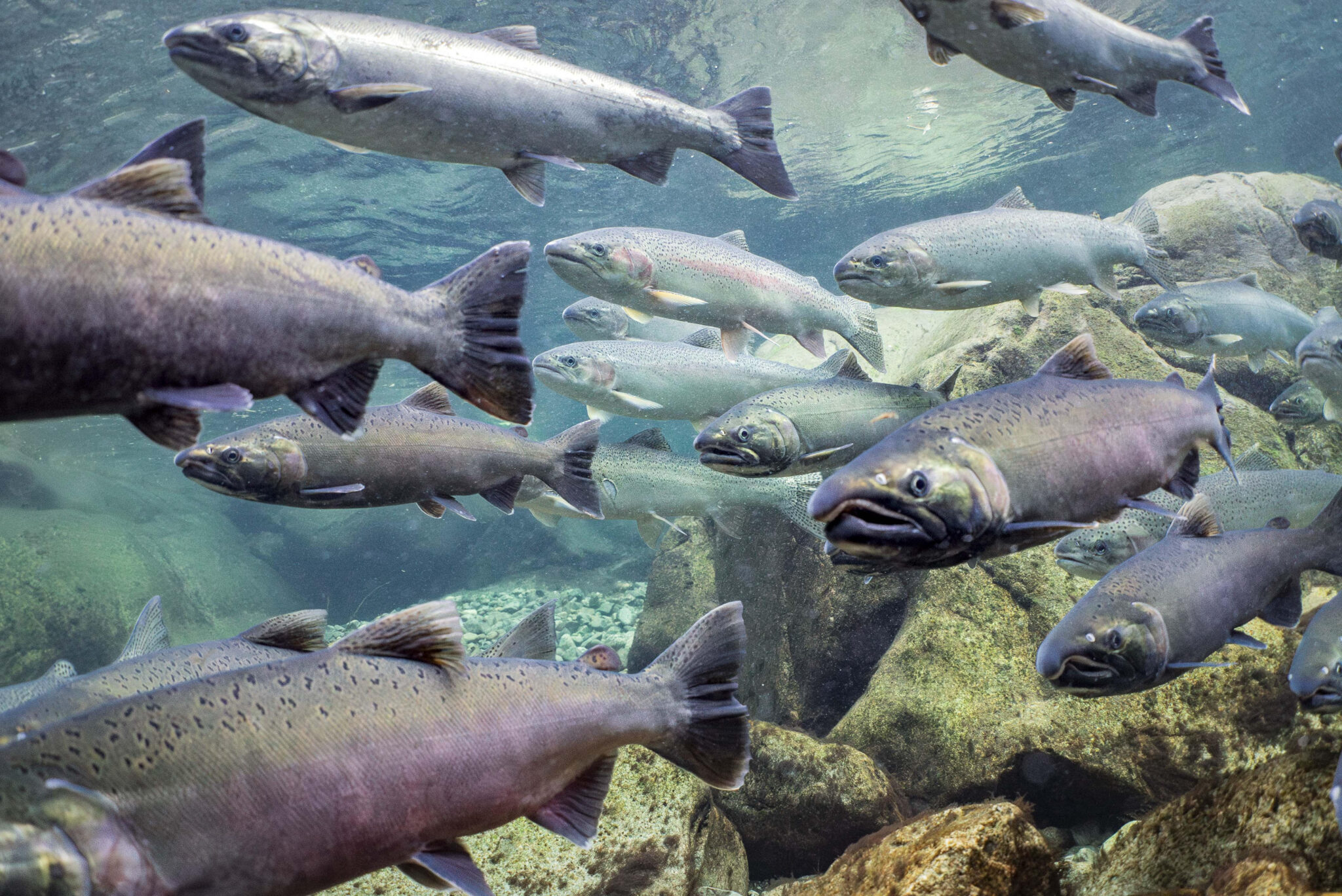
Featured Photo: Coho salmon and summer steelhead during a WFC snorkel survey. Photo by Conrad Gowell.